






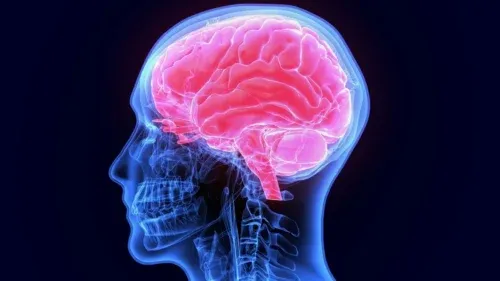
The human brain has an extraordinary capacity for healing and adaptation even after severe trauma or injury. This remarkable ability, known as neuroplasticity, allows brain tissue to reorganize, form new neural connections, and compensate for damaged areas through rehabilitation and targeted therapy. When medical professionals fail to recognize signs of brain injury or delay critical treatment, patients may miss valuable opportunities for recovery during the most crucial healing phases.
At Davis & Davis, our trial-tested legal team understands the complex medical and legal challenges that brain injury victims face. With nearly 70 years of combined experience handling medical malpractice cases, we fight for families when healthcare providers fail to deliver appropriate care for brain injuries, birth-related neurological damage, or complications from anesthesia that lead to cognitive impairment.
Understanding Neuroplasticity and Brain Recovery
Neuroplasticity is the brain’s ability to reorganize itself by forming new neural connections throughout life. This process becomes particularly important following brain injury, as healthy portions of the brain can often take over functions previously controlled by damaged areas. The brain’s capacity for self-repair depends on several factors, including your age, the severity and location of the injury, and how quickly appropriate treatment begins.
During the acute phase immediately following brain injury, rapid changes occur as the brain attempts to restore normal function. Inflammation decreases, blood flow improves, and damaged neurons may begin to recover. This critical period, typically lasting several weeks to months, represents the optimal window for intervention and rehabilitation.
The Role of Rehabilitation in Brain Recovery
Effective rehabilitation programs capitalize on neuroplasticity to maximize recovery potential. Physical therapy helps restore motor function and coordination, while occupational therapy focuses on daily living skills. Speech therapy addresses communication challenges and cognitive issues that may arise from brain injury. The timing and intensity of these interventions can significantly impact long-term outcomes.
What Happens When Medical Errors Compromise Brain Recovery?
Unfortunately, medical mistakes during pregnancy, delivery, surgery, or emergency treatment can cause preventable brain injuries or worsen existing conditions. Healthcare providers have a responsibility to recognize signs of neurological distress and respond appropriately. Common medical errors that may lead to brain injury include the following:
- Failure to monitor fetal heart rate during labor and delivery
- Delayed recognition of stroke symptoms
- Anesthesia errors resulting in oxygen deprivation
- Misdiagnosis of conditions like thiamine deficiency or Wernicke-Korsakoff syndrome
- Inadequate monitoring during surgery
When these errors occur, they can permanently alter a patient’s neurological function and quality of life. The brain’s remarkable healing potential cannot overcome damage that could have been prevented with proper medical care.
Birth injuries resulting from medical negligence during labor and delivery can have lifelong consequences for children and families. Conditions like cerebral palsy, hypoxic-ischemic encephalopathy, and other neurological disorders may result from preventable complications during birth. These injuries often require decades of advanced care and rehabilitation services.
How to Seek Justice for Medical Malpractice-Related Brain Injuries
The aftermath of a medical malpractice-related brain injury can be overwhelming for you and your family. Medical bills, ongoing care costs, and lost income can create financial hardship in addition to struggles with cognitive and physical limitations. Fortunately, Texas law provides options for holding healthcare providers accountable when their actions or inactions result in preventable brain injuries.
Medical malpractice claims involving brain injuries require extensive investigation and medical documentation. Our skilled attorneys at Davis & Davis work with leading neurologists, rehabilitation specialists, and life care planners to build compelling cases that demonstrate both the medical negligence and its impact on our clients’ lives. We thoroughly investigate each case, reviewing medical records, consulting with medical professionals, and working to establish how healthcare providers deviated from accepted standards of care.
Seek Justice for Your Brain Injury With the Skilled Medical Malpractice Lawyers at Davis & Davis
While the brain’s remarkable capacity for healing offers hope to injury victims, the path to recovery depends heavily on receiving appropriate medical care from the very beginning. When healthcare providers fail to recognize neurological symptoms, delay treatment, or make critical errors during vulnerable moments, they can rob patients of their best chance at recovery. These medical mistakes not only cause immediate harm but also limit the brain’s natural ability to heal and adapt.
Davis & Davis’s trial-tested legal team has handled more than 300 jury trials, earning a reputation for fighting hard for victims of medical mistakes. We understand the unique challenges facing brain injury victims and their families, and we’re committed to securing the compensation needed for long-term care and rehabilitation. Our attorneys handle cases nationwide, and we’re willing to fly to meet clients regardless of their location. Contact our firm at (713) 781-5200 or fill out our contact form to schedule your free case evaluation.