







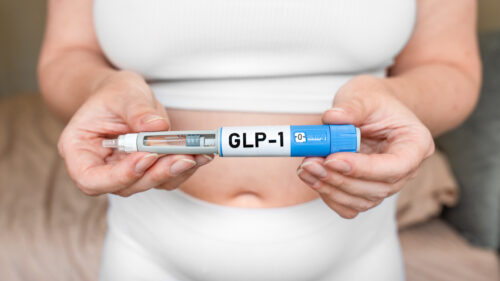
Millions of people across the country are now taking GLP-1 medications like Ozempic, Wegovy, and Mounjaro for weight loss and diabetes management. These drugs work by suppressing appetite and slowing digestion, which can lead to dramatic reductions in food intake. While this may sound straightforward, the side effects go well beyond nausea and fatigue. Patients on GLP-1 drugs can experience serious nutritional deficiencies and other medical crises if their doctor fails to monitor them properly.
If you were harmed while taking a GLP-1 drug and your doctor ignored warning signs or never followed up, what happened may not be attributed to your doctor. At Davis & Davis, our Houston medication error attorneys have nearly 70 years of combined experience exclusively focused on medical malpractice cases. We have handled more than 300 jury trials, and we take cases on a no-upfront fees basis.
What Is a Doctor’s Duty of Care When Prescribing a GLP-1 Drug?
When a doctor prescribes a GLP-1 medication, the responsibility does not end at the prescription pad. Physicians are required to monitor your progress, watch for adverse effects, check your nutritional status, and adjust your care when problems arise.
GLP-1 drugs significantly reduce appetite, which can cause patients to consume far fewer calories and nutrients than their bodies need. A 2024 pharmacovigilance study published in PMC found that GLP-1 receptor agonists have been linked to neurological adverse events, including Wernicke encephalopathy, a life-threatening thiamine (vitamin B1) deficiency disorder. Researchers concluded that proactive patient education and monitoring of micronutrient intake are critical during GLP-1 therapy. When a doctor prescribes one of these medications without putting that monitoring in place, patients may suffer serious and preventable harm.
Did Your Doctor Ignore Warning Symptoms You Reported?
Patients on GLP-1 drugs commonly report persistent vomiting, severe fatigue, confusion, or neurological changes. These are not symptoms to brush off. If you told your doctor about these issues and were sent home without further testing, a referral, or a medication adjustment, your concerns may have been dismissed without justification.
Some of the most common signs of neglected GLP-1 care include:
- Reporting persistent vomiting or inability to eat, and receiving no nutritional follow-up
- Describing neurological symptoms such as confusion, unsteady walking, or vision problems without receiving a referral or imaging
- Experiencing rapid, unexplained weight loss without a nutrition or metabolic workup
These are not minor oversights. When symptoms are ignored, the window for effective treatment can close quickly.
Did Your Doctor Prescribe the Drug Without Proper Follow-Up?
A prescription without follow-up is not adequate care. Physicians prescribing GLP-1 medications should schedule regular appointments, track side effects, and reassess the treatment plan as needed. If you were given a prescription and then had no meaningful contact with your doctor for months while your condition worsened, this gap in care may have contributed to your injury.
Patients who developed Wernicke-Korsakoff syndrome or other serious neurological conditions while on GLP-1 medications may have grounds for a medical malpractice claim if their physician failed to act on clear warning signs.
How Do You Know If Your Situation Qualifies as Medical Malpractice?
Medical malpractice occurs when a physician deviates from the accepted standard of care and causes patient harm. In GLP-1-related cases, this means proving your doctor knew or should have known about the risks, failed to take reasonable steps to prevent or address harm, and caused you injury because of that failure.
If you are unsure whether your situation qualifies, reviewing the signs of medical malpractice is a useful starting point. Documentation matters significantly in these cases. Medical records, prescription history, lab results, and a record of your communications with your doctor all help establish what happened and when.
Contact Davis & Davis to Discuss Your GLP-1 Negligence Claim
GLP-1 drugs are among the most widely prescribed medications in the country, and the medical community is still working to understand their full range of risks. What is not in question is a physician’s duty to monitor patients and respond when something goes wrong. If your doctor prescribed a GLP-1 medication and then failed to follow up or overlooked warning signs of a serious complication, you deserve answers.
Our trial-tested legal team at Davis & Davis has spent nearly 70 years fighting for patients harmed by physician negligence. We handle medical malpractice cases on a no-upfront fees basis and serve clients throughout Texas and nationwide. Reach out using our contact form to schedule a free case evaluation.