






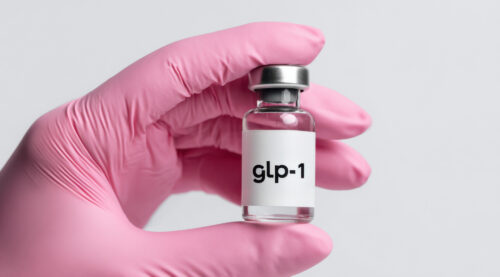
Millions of Americans are now taking GLP-1 medications like Ozempic, Wegovy, and Mounjaro, and the risks tied to them are no longer theoretical. Serious complications, including stomach paralysis, acute pancreatitis, and severe nutritional deficiencies, have been reported in growing numbers. Research shows there are adverse events associated with GLP-1 medications. When a doctor prescribes one of these medications without proper screening, fails to monitor a patient’s response, or ignores warning signs, that failure may constitute medical malpractice.
At Davis & Davis, our Houston medical malpractice attorneys have nearly 70 combined years of experience and have handled more than 300 jury trials. Our exclusive focus has been on fighting for victims of medical occurrences, including complex medication-related injuries, across Texas and nationwide. We handle cases on a no-upfront-fee basis, meaning we only get paid if you recover compensation. If you believe a doctor’s failure to properly manage your GLP-1 treatment caused you harm, our trial-tested legal team is ready to evaluate your case.
What Are GLP-1 Drugs and Why Are They Risky?
GLP-1 receptor agonists, including semaglutide (Ozempic, Wegovy) and tirzepatide (Mounjaro, Zepbound), were originally developed to treat type 2 diabetes. Prescriptions for these medications have grown dramatically, with an estimated 700% increase in GLP-1-based prescriptions among people without diabetes between 2019 and 2023. As use has surged, so have reports of serious side effects.
What Side Effects Have Been Linked to GLP-1 Drugs?
Documented adverse effects include gastroparesis (stomach paralysis), acute pancreatitis, bowel obstruction, severe nausea and vomiting, vision loss (NAION), and neurological complications. In January 2024, the FDA began evaluating reports of hair loss and suicidal thoughts among patients taking these medications. When a physician fails to warn patients of these risks or monitor their health after prescribing, the consequences can be life-altering.
When Does a GLP-1 Side Effect Become Medical Malpractice?
Not every bad reaction to a medication means a doctor acted negligently. Medical malpractice occurs when a physician fails to meet the accepted standard of care, and that failure directly causes a patient’s injury. For medication errors involving GLP-1 drugs, the malpractice may involve:
- Prescribing a GLP-1 drug to a patient with contraindicated conditions, such as a history of pancreatitis or thyroid tumors, without disclosing the heightened risk
- Failing to monitor the patient for known complications during treatment
- Ignoring patient-reported symptoms, such as severe abdominal pain or vision changes, and not adjusting or discontinuing the drug
- Not ordering appropriate follow-up testing after concerning symptoms arose
A doctor’s decision to prescribe is only part of the equation. Ongoing monitoring and informed communication are equally critical obligations.
What Compensation May Be Available?
If negligence is proven, you may be able to recover compensation for medical expenses, lost wages, pain and suffering, and ongoing care costs. In the most difficult situations, where a patient has died due to a doctor’s failure to properly manage GLP-1 treatment, family members may be able to pursue a wrongful death claim. Texas law also has a two-year statute of limitations for medical malpractice cases, meaning claims must generally be filed within two years of the occurrence. Waiting too long can eliminate your legal options entirely.
It is also worth noting the potential connection between GLP-1 medications and nutritional deficiencies. Patients who experience severe vomiting or restricted nutrition may develop dangerous deficiencies, a pattern our firm has seen in related cases involving Wernicke-Korsakoff Syndrome. If a physician failed to monitor or address these risks, that failure may be actionable.
Contact Davis & Davis for a Free GLP-1 Malpractice Consultation
GLP-1 medications have helped many patients, but when a physician fails to screen, monitor, or respond appropriately, causing serious harm, patients deserve accountability. If you experienced gastroparesis, vision loss, pancreatitis, a dangerous nutritional deficiency, or another serious complication after being prescribed an Ozempic-class medication, the question worth asking is not just whether the drug caused harm, but whether your doctor met their duty of care to you.
Davis & Davis is a Houston-based medical malpractice law firm with nearly 70 combined years of experience, more than 300 jury trials behind us, and an exclusive focus on medical malpractice cases across Texas and nationwide. Our contingent fee model means there are no upfront fees: we only get paid when you recover. Use our contact form to schedule your free case evaluation.